
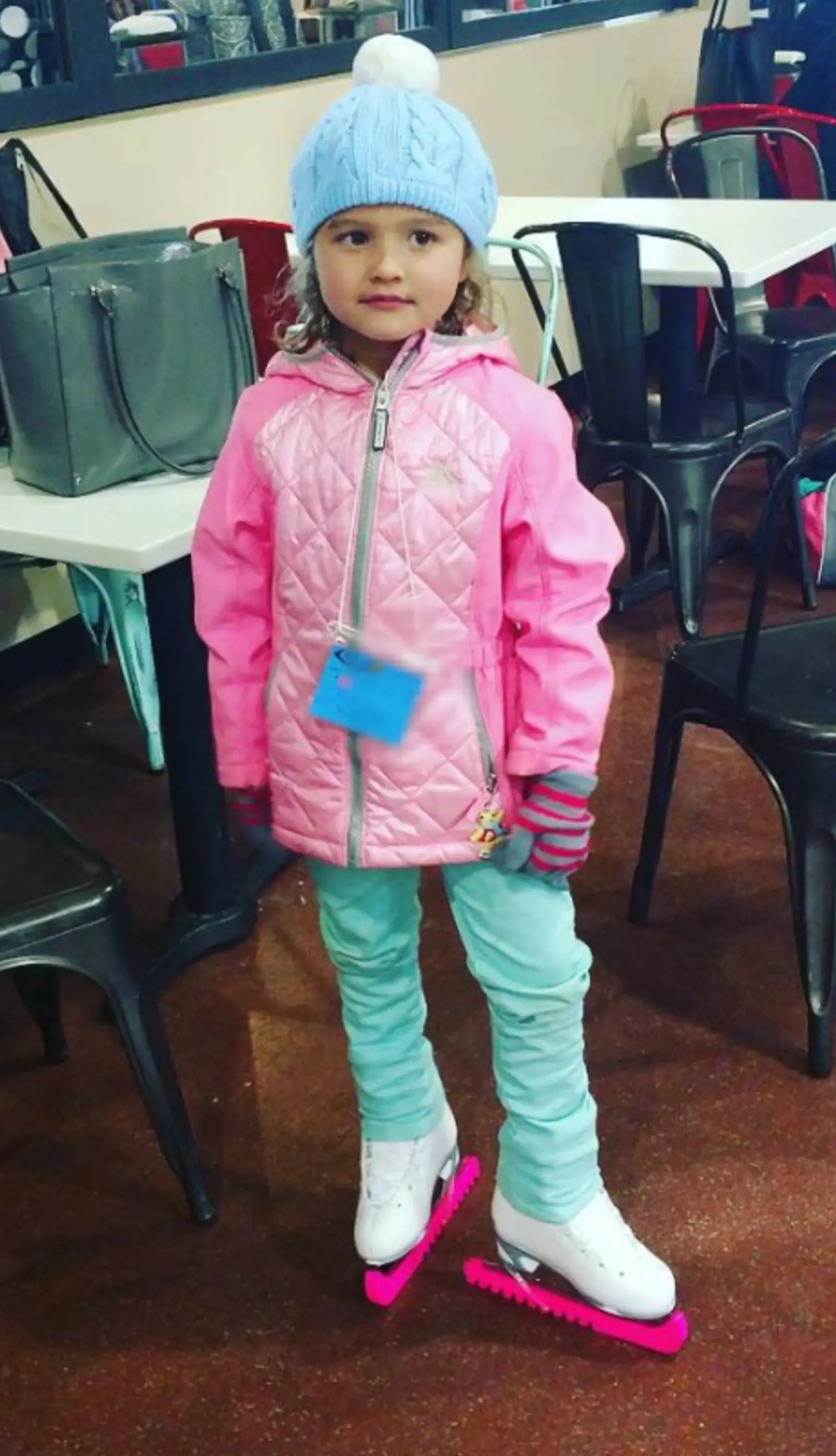
The first time I took my daughter to a Learn to Skate class, I dressed her like we were going skiing. Big puffy coat, snow pants, thick socks, the works. She could barely bend her knees, she kept tripping over her own pants, and she spent half the class trying to get her gloves back on. The second time, I sent her in leggings, a long-sleeve shirt, a light jacket, and thin gloves, and it was a completely different kid. Same skater, same rink. The clothes were the difference.
Here is what I have learned since then about what to wear, what to bring, and what to leave at home.
The golden rule: warm layers you can move in
A skating rink is cold year-round, usually somewhere in the 50s, so your skater does need to dress warm. But the clothes have to let them move. If they cannot bend their knees, lift their arms, or feel their feet, the clothes are working against them. Think layers, not bulk. They will warm up fast once they start moving, and they can peel a layer off between drills.
What to wear, piece by piece
Top: long sleeves and layers. Start with a long-sleeve shirt, add a sweater or fleece, and top it with a light jacket. That is usually plenty. A heavy winter coat is too bulky to skate in, and it hides the skater's body position from the coach, which makes it harder for the coach to help them.
Bottoms: leggings or warm-up pants. Stretchy pants that fit close to the body are ideal. Jeans are the most common mistake I see. They are stiff, they restrict the knees, and once they get wet from a fall they stay cold and heavy. Same goes for snow pants. Shorts and skirts without tights are too cold, and bare knees on the ice are no fun at all.
Socks: one pair, thin. One pair of thin socks or tights that cover the ankle and reach above the top of the skate. Thick socks bunch up inside the boot and make the fit worse, not better. If your skater's feet get cold, the answer is better-fitting skates and warm layers, not a second pair of socks.
Gloves: thin ones, always. Gloves are not just about warm hands. In the first classes, skaters spend a lot of time learning how to fall and get back up, and gloves protect their hands on the ice. Thin gloves are better than big bulky mittens, because your skater needs to feel the wall, hold the coach's hand, and grip their own skates when they practice getting up.
Helmet: yes, for beginners. Learn to Skate USA recommends a helmet for all beginning skaters, certified to ASTM F1447 or Snell B-90A, B-95, or N-94. A bike helmet that fits well counts. Wear it snug and low on the forehead, and do not put a hat underneath it. Some rinks require a helmet for their youngest skaters, so check with yours before the first class. U.S. Figure Skating strongly recommends a hockey or multi-sport helmet for beginners and for children six and younger.
Hair: tied back. Long hair should be pulled back in a ponytail or braid so it stays out of your skater's face and does not catch on anything.
What not to wear: jeans, heavy winter coats, snow pants, shorts, scarves, dangling jewelry, and anything bulky. Scarves are a safety issue on the ice. And leave the double-runner skates at home. They are not allowed in Learn to Skate classes.
Skates: the rink has you covered
Most rinks include rental skates with the Learn to Skate class fee, so you do not need to buy skates before the first class. Show up, get fitted at the rental counter, and go. Rental skates should feel snug with good ankle support. If they are flopping around your skater's ankles, ask for a smaller size. Skate sizing is not the same as shoe sizing, so do not guess. Let the person at the counter help.
If your skater already owns skates, bring them, plus skate guards for the walk from the bench to the ice. Lace them snugly, with the ankle firm and the toe comfortable. Do not buy new skates the morning of the first class and expect a perfect fit. Break them in at home first, wearing them around the house for short stretches.
What the rink provides, and what to bring
The rink provides the ice, the rental skates, and the coach. Everything else is on you. Here is the short version of what to pack.
Bring:
- A water bottle. Rinks are cold but dry, and skating is a workout. Colorado air makes it worse.
- A small bag for the extras, so nothing is left loose on the bench.
- Tissues. Cold air and little noses go together.
- An extra pair of thin socks, just in case the first pair gets wet.
- A snack for after class. Skating makes kids hungry.
Leave at home:
- Phones on the ice. No phones during class, for skaters or for parents stepping onto the ice.
- Valuables you would worry about leaving on a bench.
- Bulky bags. There is not much room rinkside, and a big bag is one more thing to trip over.
Arrive early
Plan to arrive 15 to 20 minutes before class. That gives you time to check in, pick up a nametag, get skates on, and get comfortable in the building before the class starts. The first class usually begins off the ice, with the instructor showing the kids how to fall and get back up, and some marching in place. It is much less scary when your skater is not rushing in late and trying to lace up while everyone else is already on the ice.
A few Colorado notes
Rinks here are cold in July and cold in January, so the layering advice does not change with the season. The dry air and the altitude mean the water bottle matters more than you would think. And in winter, the parking lot is often icier than the rink. Wear real shoes to walk in, and carry the skates. Do not let your skater walk across an icy parking lot in skate guards.
Your first-class checklist
- Long-sleeve shirt, sweater or fleece, light jacket.
- Leggings or warm-up pants. No jeans, no snow pants.
- One pair of thin socks or tights.
- Thin gloves.
- Helmet, snug and low on the forehead. A bike helmet works.
- Hair tied back. No scarves, no dangling jewelry.
- Rental skates from the rink, or your own skates plus guards.
- Water bottle, small bag, tissues, extra socks, after-class snack.
- Arrive 15 to 20 minutes early.
That is really it. No special outfit, no expensive gear, nothing fancy. Layers, gloves, a helmet, and skates that fit. The rest is just showing up and letting your skater fall in love with the ice.
How to find classes near you
If you have not picked a rink yet, start with the Learn to Skate classes listed on All Things Ice Skating. You can browse rinks and clubs by city, see where classes run, and find contact information in one place, instead of piecing it together from five different websites.
Rinks differ, so check with yours before the first class, especially on helmets and rental skates. Requirements and class details change over time.